Integrating MEP BIM Modelling Services into the Design Process: Best Practices

Denys Moshenskyi
07.13.2026
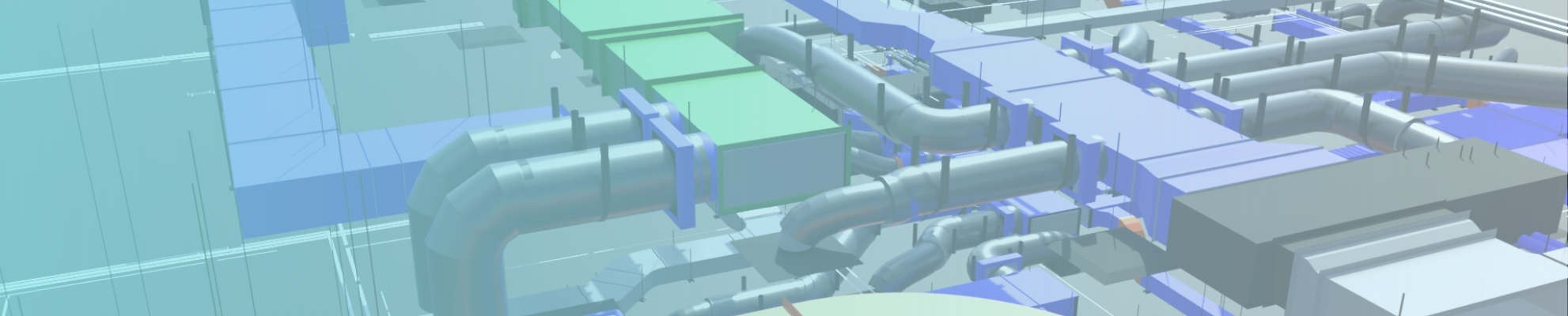
MEP BIM Modelling is the process of creating coordinated digital models of Mechanical, Electrical, Plumbing, and Fire Protection (MEPF) systems within a Building Information Modelling (BIM) environment. MEP BIM models improve coordination between disciplines, reduce design conflicts, and support construction planning for projects. BIMPROVE offers MEP modelling and primary coordination services based on design drawings for HVAC, plumbing, electrical, and fire protection systems.
Accurate MEPF coordination is essential because building services occupy the same physical space as structural and architectural elements. Coordinated BIM models help identify conflicts before construction, reducing design revisions and site issues.
What is MEP BIM modelling?
MEP BIM modelling creates intelligent 3D models of building services that include geometry, technical information, and system connectivity.
The disciplines include:
● Mechanical (HVAC)
● Electrical
● Plumbing
● Fire Protection
MEPF BIM models support:
● Design coordination
● Construction documentation
● Clash detection
● Installation planning
● Quantity extraction
● Facility management
Benefits of MEP BIM Modelling
Using coordinated MEPF BIM models can provide practical project benefits.
These include:
● Reduced design conflicts
● Fewer on-site modifications
● Better coordination between disciplines
● Reduced material waste
● Improved installation accuracy
● Lower risk of rework
BIM MEP modelling services by BIMPROVE include models in the agreed Revit version and deliverables in RVT, DWG, or IFC formats, as required.
Best Practices for Integrating MEP BIM Modelling
1. Define project requirements early
Every project should start with setting ground rules and objectives. This also includes establishing further communication: reports and feedback. Communication can take place daily or at agreed intervals, depending on what all parties decide.
It reduces misunderstandings later in the project.
The project team should agree on:
● Project scope
● Roles and responsibilities
● Level of Development (LOD)
● File naming conventions
● Model structure
● Software platforms
● Coordination procedures
● Information exchange schedule
2. Coordinate Complete MEPF Systems
Effective multidisciplinary BIM coordination depends on coordinating all disciplines rather than optimising each system independently. This integrated approach improves constructability and reduces changes during installation.
A coordinated MEPF model considers:
● Pipework
● Ductwork
● Cable trays
● Electrical containment
● Fire protection systems
● Structural penetrations
● Ceiling space
● Plant rooms
3. Perform regular clash detection
Clash detection is one of the major advantages of BIM. While detecting clashes manually is daunting, time-consuming, and prone to human error, many modern BIM platforms offer automatic clash detection.
Rather than checking drawings manually, BIM coordination software identifies conflicts between building systems before construction begins.
The workflow can look like this:
● Run clash detection regularly
● Prioritise major clashes first
● Document every issue
● Assign responsibility for each clash
● Verify corrections before closing issues
Resolving clashes during design is significantly less expensive than resolving them on site.
4. Use standardised Revit families
Well-developed Revit families improve model consistency and project performance.
MEPF Revit families should contain:
● Accurate geometry
● Technical parameters
● Manufacturer information (where required)
● Correctly configured MEP connectors
● Consistent naming conventions
Avoid unnecessary geometric detail that increases file size without adding project value. Reusable Revit families also improve productivity across multiple projects.
5. Follow industry standards
For projects delivered in the United Kingdom, BIM workflows should follow the applicable BS EN ISO 19650 requirements, as well as project- and client-specific requirements. Consistent standards improve collaboration among architects, structural engineers, MEP consultants, contractors, and clients.
Project teams should establish:
● BIM Execution Plans (BEP)
● Information requirements
● Naming conventions
● Model validation procedures
● Common Data Environment (CDE) workflow
6. Design energy-efficient building services
MEP models support the design of efficient building systems. To reduce operational energy use and potentially lower lifecycle costs, project teams can evaluate energy-efficient HVAC equipment. BIM models can support energy analysis when used with suitable simulation tools, helping teams evaluate and optimise design options. This can also help reduce operational energy consumption and carbon emissions.
Examples include:
● Optimised HVAC layouts
● Efficient pipe routing
● Reduced duct lengths
● Improved equipment placement
● Better maintenance access
Conclusion
MEP systems have a big impact on our lives, and we should take great care in creating them.
At BIMPROVE, we can help you with it. We offer specialised MEP outsourcing, providing accurate 3D MEP models to a range of clients including MEP contractors, consultants, construction firms, design-build companies, and manufacturers. Our services support MEP system coordination, detailing, quantity take-offs, fabrication planning, and installation.
FAQ
What is MEP BIM modelling?
MEP BIM modelling is the creation of coordinated digital models for Mechanical, Electrical, and Plumbing systems. In this article, Fire Protection is also included, so the coordinated model is referred to as MEPF.
What are the benefits of MEP BIM modelling?
MEPF BIM modelling helps reduce design conflicts, improve coordination, minimise rework, and support more efficient installation.
Which disciplines are included in MEPF?
MEPF includes:
● Mechanical
● Electrical
● Plumbing
● Fire Protection
Why is clash detection important?
Clash detection identifies conflicts between building systems before construction begins, helping reduce costly site modifications.
Share:






SOCIAL MEDIA







© Copyright BIMPROVE company LLC. All rights reserved 2026. Privacy Policy.