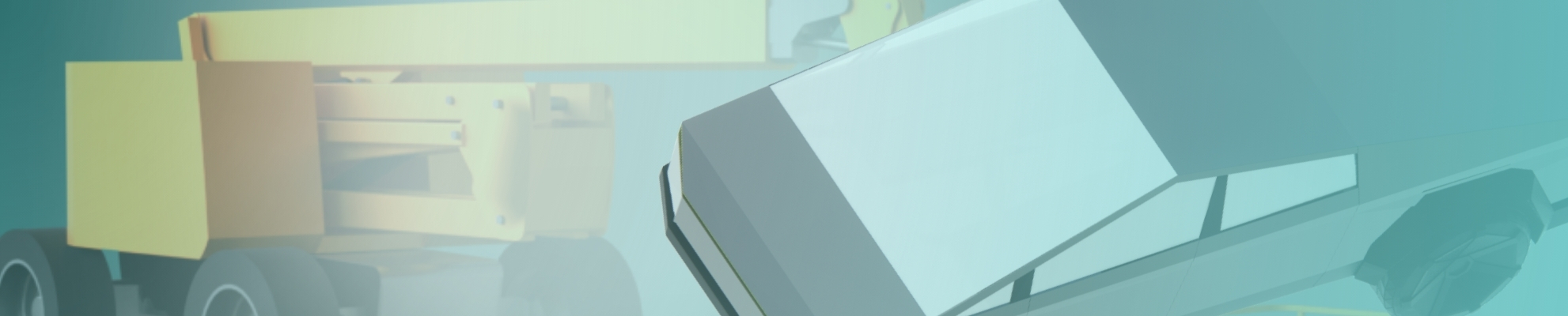
Why High-Quality BIM Content Is Critical for Project Accuracy

Anton Yakushenko
07.03.2026
BIM content consists of digital building components, Revit families, parameters, and data used within BIM models. High-quality BIM content provides accurate geometry, structured information, and standardised parameters that support design, coordination, construction, and facility management.The quality directly affects project accuracy, coordination efficiency, and lifecycle performance.
So while it may seem like a great idea to cut costs on some parts of the project, eventually the price can rise even more. Poorly developed BIM content can introduce errors into a project from the design phase through construction and building operations. Accurate BIM content helps teams make informed decisions, reduce rework, and improve collaboration across disciplines.
What Defines High-Quality BIM Content?
High-quality BIM content combines accurate geometry, reliable data, and compliance with project requirements.
Key characteristics include:
● Clear access to information about the model: performance characteristics, design options, integration requirements, etc.
● Compliance with industry standards: It is necessary to have a clear understanding of industry standards and how to apply them.
● Families are designed to be easy to use, with optimised operation that allows you to focus on your project without technical roadblocks.
● A high degree of flexibility in our BIM content creation services to provide customised solutions that meet your specific needs.
Risks of Using Low-Quality BIM Content
When BIM content contains inaccurate geometry, incomplete information, or poorly configured parameters, problems can appear throughout the project lifecycle.
And so, we can divide them into two categories: short-term and long-term problems.
Short-Term Project Risks
Common immediate issues include:
● Design errors
● Coordination conflicts
● Rework
● Installation problems
● Increased project costs
● Project delays
● Reduced productivity
Small inaccuracies in BIM content can multiply across multiple disciplines and become expensive issues during construction.
Long-Term Project Risks
Over time, poor BIM content can lead to:
● Facility management challenges
● Inaccurate asset information
● Difficulties during future renovations
● Reduced trust between stakeholders
● Reputation damage
● Increased operational costs
Because BIM data often remains in use long after construction is completed, content quality affects the entire building lifecycle.
How High-Quality BIM Content Improves Design Accuracy
Accurate BIM content supports better design decisions by providing reliable information from the beginning of the project.
Benefits include:
● Reduced dimensional errors
● Improved design consistency
● Better visualisation
● More accurate documentation
● Fewer manual corrections
Improved Coordination Between Disciplines
BIM models are most effective when all disciplines work with consistent and reliable information.
High-quality BIM content supports coordination between:
● Architecture
● Structure
● Mechanical systems
● Electrical systems
● Plumbing systems
● Fire Protection systems
Clash Detection and Conflict Resolution
Clash detection is one of the primary advantages of BIM workflows.
Accurate BIM content improves clash detection by ensuring that all modelled elements reflect actual project requirements.
Benefits include:
● Earlier identification of clashes
● Better coordination in confined spaces
● Reduced design conflicts
● Fewer construction-stage modifications
Without accurate BIM content, clash detection results become unreliable because model elements may not represent real-world conditions.
Resolving conflicts during the design stage is significantly less expensive than resolving them during construction.
Improved Construction Accuracy
High-quality BIM supports fabrication-level detail. Accuracy is important for minimising rework and mistakes, and ensuring that the final result matches the designer’s and the client’s vision. Construction teams rely on BIM models to understand how building components should be fabricated and installed.
High-quality BIM content helps:
● Reduce rework
● Improve installation accuracy
● Minimise drawing inconsistencies
● Improve field coordination
● Support prefabrication workflows
Data Consistency and Interoperability
BIM projects often involve multiple software platforms and stakeholders.
Well-structured BIM content follows naming conventions, shared parameters, and open standards. Interoperability—the ability to work with other systems, products, and software — makes the information about the model accessible, simple, and structured. Many examples of interoperability rely on open standards as a middle ground.
Well-structured BIM content improves interoperability through:
● Consistent naming conventions
● Shared parameters
● Standardized classifications
● Open BIM workflows
● Structured project data
This allows for:
● Easier model exchange
● Reduced information loss
● Improved collaboration
● Better project transparency
A well-managed BIM model becomes a reliable source of information throughout design, construction, and operations.
Supporting Facility Management and Building Operations
BIM content stays useful even beyond design and construction. With the rising trend of smart buildings, consideration of facility management should start early. With accurate families in your BIM model, it becomes much easier to maintain the building.
The value of BIM content extends beyond project delivery.
Accurate BIM data supports facility management by providing reliable information about building assets and systems.
Applications include:
● Asset management
● Maintenance planning
● Lifecycle costing
● Building upgrades
● Renovation planning
Benefits for building owners are:
● Accurate asset registers
● Reduced information gaps
● Better maintenance scheduling
● Improved operational decision-making
Conclusion
High-quality BIM content transforms models from visual representations into accurate, decision-ready digital assets. The better the content quality, the higher the project accuracy—across cost, time, constructability, and lifecycle performance.
Investing in well-made BIM content isn’t just about current trends and investigating new technologies – it is about consistency, accuracy, and clarity.
BIMPROVE is committed to creating high-quality Revit families for our clients in the markets of the US, the UK, and Europe. Contact us to learn more.
FAQ
What is BIM content?
BIM content includes Revit families, model elements, parameters, and digital building data used in BIM workflows.
Why is BIM content quality important?
High-quality BIM content improves project accuracy, coordination, clash detection, construction planning, and facility management.
How does BIM content affect project costs?
Accurate BIM content helps reduce rework, design errors, construction conflicts, and project delays, which can lower overall project costs.
What disciplines benefit from high-quality BIM content?
High-quality BIM content supports:
● Architecture
● Structure
● Mechanical systems
● Electrical systems
● Plumbing systems
● Fire Protection systems
What is interoperability in BIM?
Interoperability is the ability to exchange and use BIM data across different software platforms and project stakeholders with minimal information loss.
Can you use a BIM model after construction?
Yes. BIM content supports facility management, asset tracking, maintenance planning, renovations, and building operations throughout the asset lifecycle.
Share:




SOCIAL MEDIA







© Copyright BIMPROVE company LLC. All rights reserved 2026. Privacy Policy.